
Resolving Post-Easter Drain Disasters
A Strategy for Property Managers
I know the lead up to the Easter break was hectic, and you may not have seen my Easter Long-Weekend post . However, now it’s Tuesday and many of our property managers are dealing with the aftermath of blocked drains reported by their tenants over the weekend. Despite the holiday’s being over, the repercussions of a blocked sewer persists, causing disruptions and unnecessary discomfort to your tenants, your owners and you. If you’re facing post-Easter drain disasters, here’s a comprehensive guide to help manage the situation and prevent future Blocked Drains.
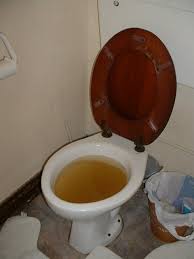
Address Any Immediate Concerns
Respond promptly and with empathy to tenant reports of blocked drains following the Easter break. Assure them that you’re taking necessary steps to resolve the issue. Arrange for a professional plumber to assess the situation promptly, prioritizing those properties with urgent drainage problems.
Fun Fact
85% of Blocked Drains are caused by Tree Roots!
Identifying the Root Cause
During the inspection, your plumber will determine the underlying cause of the blockage. Tree roots infiltrating sewer lines are often to blame, particularly during periods of increased growth like our long hot summer. To say these invasive tree roots can wreak havoc on plumbing systems, leading to Blocked Drains and potential damage if left unattended is a little melodramatic however, it can be pretty unpleasant.
Implementing Long-Term Solutions
While addressing immediate concerns is vital, focus on implementing long-term solutions to prevent recurrence. Consider Vaporooter as a proactive solution for inhibiting root growth in sewer drains. By treating affected pipes with Vaporooter, you create a protective barrier that deters Tree Root regrowth, safeguarding against future blockages and costly repairs.
Communicating with Tenants
Maintain transparent communication throughout the process, updating tenants on any repair status and preventive measures being taken. Encourage your tenants to report any signs of drainage problems promptly. Empower them to play an active role in property maintenance and preservation.
Routine Maintenance and Vigilance
Prioritize routine maintenance to ensure the ongoing health of plumbing systems. Schedule regular inspections and maintenance checks, especially for properties with mature trees nearby. Stay vigilant and proactive to mitigate the risk of future Blocked Drain disasters and minimize disruptions for tenants.
Conclusion
Post-Easter drain disasters might feel like an unwelcome surprise egg hunt, but fear not! With a proactive approach and the right strategies in place, you can crack down on those stubborn blockages. By addressing immediate concerns, implementing long-term solutions like Vaporooter, and keeping the lines of communication flowing with your tenants, you’ll emerge victorious against those relentless tree roots. And hey, by having your plumber use Vaporooter, you can ensure that next Easter holiday doesn’t turn into a “root awakening” for your drains! So, let’s roll up our sleeves, tackle those drain dilemmas, and keep the laughter flowing like unclogged pipes.

If you have any questions about Vaporooter and whether it’s suitable for your situation Call me on 1800 637 600
If Vaporooter doesn’t suit your circumstance you’ve wasted 10 minutes.
If it does, you’re a genius!
Don’t Let Tree Roots Ruin Your Easter Weekend
A Message to Property Managers
As property managers, you’re likely looking forward to a well-deserved break this Easter Long Weekend. However, while you’re enjoying some time off, it’s essential to remember that tree roots never take a holiday. They continue to grow relentlessly, posing a significant threat to sewer drains and causing potential headaches for your tenants and property owners.

One of the most common issues property managers face, especially in older neighborhoods with mature trees, is tree roots infiltrating sewer lines. These roots are drawn to the moisture and nutrients inside the pipes, and once they find their way in, they can quickly grow and cause blockages, leading to costly repairs and inconveniences for tenants, owners and you their property manager.
But fear not, there is a solution: Vaporooter.
Vaporooter is a highly effective product designed to stop tree roots from growing in sewer drains without costing your owners a fortune. Its powerful formula penetrates the roots and inhibits their growth without harming the tree itself. By applying Vaporooter regularly, property managers can prevent root intrusion and avoid costly and disruptive sewer line repairs.
So, as you prepare to enjoy the Easter Long Weekend, don’t forget about the ongoing battle against tree roots. Take proactive measures to protect your property’s sewer lines with Vaporooter, ensuring that your tenants can enjoy a hassle-free holiday without any unexpected plumbing issues.
Remember, tree roots don’t take a break, but with Vaporooter, you can ensure that your property remains free from root-related plumbing problems year-round.
Wishing you a happy and stress-free Easter Weekend!
Wherever you are, if you want to find out more, Call us on 1800 637 600 and I will send you our Property Managers Guide to Tree Root Control
Stop Tree Roots in Drains. Property Managers Guide
I’m Dave Conroy visiting Townsville in the dry tropics in Far North Queensland.
Townsville and surrounding towns have many blocked drains caused by tree roots.
Vaporooter Stops Tree Roots in Drains and It comes with a Guarantee. If you get a blocked drain after we apply Vaporooter we’ll come and clear your blockage for FREE! It is that good!
If you’re a Property Manager in Townsville with repeat blocked drains and you’re looking for an alternative to pipe relining you might consider Vaporooter.
Check it out at www.VaporooterAustralia.com.au or Call me on 1800 637 600
Stop Tree Roots in Drains. Home Owners Guide.
G’day, Its Dave Conroy here.
I’m in Townsville in North Queensland and my mission is to Stop Tree roots in sewer pipes.
I’m from VaporooterAustralia.com.au
If you are a homeowner with tree roots growing in your sewer pipes and you are looking for a simple way to stop tree roots in your drains, then I want you to check out my little book, The Home Owners Guide to tree root control.
It’s got everything you need to know about stopping tree roots in your drains.
So contact me on 1800 637 600 or go to www.VaporooterAustralia.com.au
Stop Tree Roots in Drains. Home Buyers Guide.
Vaporooter is the best way to Stop Tree Roots in Pipes.
If you’re a potential Home Buyer who wants to buy a house in a Tree Lined Street, and you want to know how you’ll keep the tree roots from those trees out of your brand-new home, then call me.
I can send you a copy of my little book, The Home Buyers Guide to Tree Root Control.
Everything you need to know about keeping tree roots out of your sewer pipes.
Wherever you are in Australia… Call me on 1800 637 600. I’ll be happy to guide you through it.
Or go to www.VaporooterAustralia.com.au
Spring is coming and your tree roots are in the gym
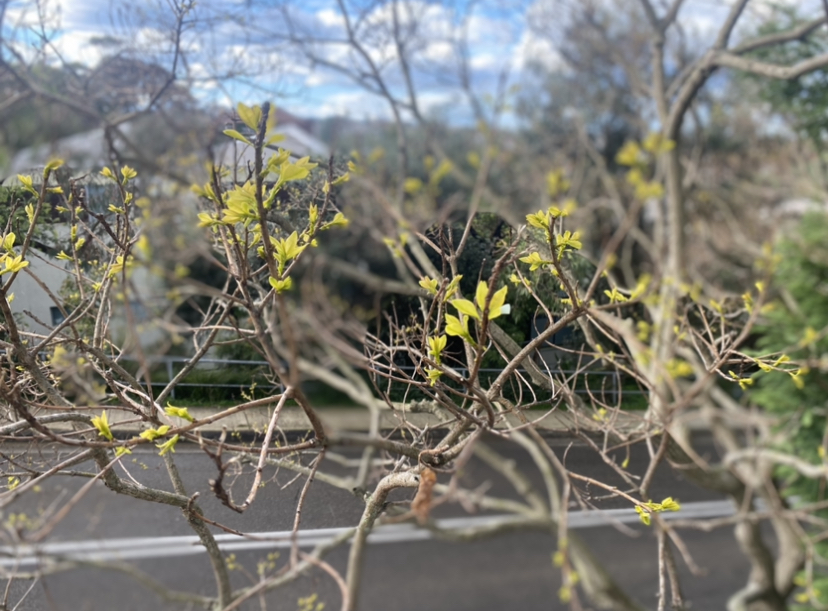
As spring approaches and the temperatures start to rise, trees begin to prepare for their active growth phase. During winter, many trees enter a state of dormancy, where their metabolic processes slow down to conserve energy and protect themselves from cold temperatures. As spring arrives, the tree root system becomes quite active in response to changing environmental conditions. Here’s what the tree root system is doing as spring approaches:
- Absorbing water and nutrients: As the ground warms up and rainfall increases, the tree roots become more active in absorbing water and essential nutrients from the soil. This is crucial for supporting the tree’s growth and development during the upcoming growing season. Your sewer pipes are an easy source of water and nutrients
- Sending signals to the rest of the tree: The root system communicates with the above-ground parts of the tree through chemical and hormonal signals. This communication helps coordinate the tree’s growth and responses to the environmental cues.
- Extending and branching out: Tree roots grow and expand as the soil becomes more suitable for root growth. The root system will extend further into the surrounding soil, and new root branches will form to explore fresh areas for water and nutrients.
- Establishing new relationships: Many trees form symbiotic relationships with fungi in the soil. These fungi help the tree roots by extending their nutrient-absorbing capacity, and in return, the tree provides sugars produced through photosynthesis to the fungi. During spring, these relationships become more active and beneficial.
- Repairing and regenerating: Like any living organism, tree roots may experience some damage or stress during winter. As spring arrives, the tree allocates resources to repair and regenerate any damaged parts of the root system.
- Preparing for shoot growth: The root system plays a crucial role in providing the necessary resources for the tree’s above-ground parts, such as leaves, branches, and buds. As the tree prepares for new shoot growth in spring, the tree root system ramps up its activity to support the upcoming foliage and flower production.
In summary, the tree root system becomes highly active during late winter and early spring, absorbing water and nutrients, establishing beneficial relationships with fungi, extending into new areas, and coordinating with the rest of the tree to support its growth and development throughout the upcoming season.
Looking for a plumber in Narrabeen AU to Stop Tree Roots in Drains
G’day Its Dave Conroy from The Lone Drainer and Pronto and Vaporooter Australia
I’m here at Narrabeen on the northern beaches of Sydney Australia.
I’m looking at a project where these clients have tree roots in their drains.
And they want to manage those tree roots..
I’m putting out a call to any young and enterprising plumber on Sydney’s northern beaches who knows about blocked drains, and has high pressure water drain cleaning equipment and has CCTV drain camera equipment and you would like to learn about being a Vaporooter applicator.
You’ll be able to help lots of people, like these good people here in Narrabeen.
You’ll help me And, I will help you!
So, if you’re slightly interested in learning about Vaporooter, and,
Vaporooter Stops Tree Roots in Drains
Then contact me on 1800 637 600 or www.vaporooteraustralia.com.au
I look forward to hearing from you.
How to keep tree roots out of drain pipes.
There is always more than one way to skin a cat! Here are four commonly used methods to prevent tree roots from blocking your drain pipes, along with a general cost comparison:

- Chemical Root Treatment: This method involves the use of chemical substances to inhibit root growth and entry into the pipes. The cost of chemical root treatments can vary depending on the size and length of the pipe being treated, the severity of the root intrusion, and the specific chemicals used. Typically, the cost ranges from $300 to $800 per treatment, and treatments may be required annually.
- Physical Barriers: Installing physical barriers, such as root barriers or copper sulfate-impregnated strips, can prevent tree roots from reaching and damaging terracotta pipes. The cost of physical barriers will depend on factors like the length of the barrier required and the labor involved in installation. On average, the cost can range from $200 to $400 per linear metre, including materials and installation.
- Pipe Renewal: Completely replacing the old terracotta pipes with more modern materials like PVC can effectively solve the problem of root intrusion. However, this method is typically more expensive and disruptive. The cost of pipe replacement can vary significantly depending on factors like the length of the pipe, depth of installation, and accessibility. As a rough estimate, the cost can range from $500 to $2500 per linear metre, including excavation, removal of old pipes, and installation of new ones.
- Pipe Relining: Relining creates a new and seamless pipe within the old one, which is made of a durable and long-lasting epoxy resin material. This can extend the life of your pipes for several decades and prevent future root intrusion and blockages. Estimates range between $1,000- $1,500 per metre depending on the access to the pipes to be relined.
It’s important to note that these cost estimates are approximate and can vary depending on various factors like location, specific project requirements, labor costs, and contractor fees. It is recommended to consult with local professionals to obtain accurate cost estimates for your specific situation.
You must see this Vaporooter Case Study
If you’re a Strata Property manager or a home owner and you’ve got blocked drains caused by tree roots, you should definitely consider Vaporooter. It’s been around for 56 years because it works!
Watch this 2:00 min YouTube clip to see how tree roots grow in your pipes and the damage that can be caused.
If you’re wondering whether or not, you should have your drains and pipes treated with Vaporooter, this real case study of a drain pipe inspection should remove any doubt that you should do it.
You are going to see through high-technology CCTV cameras that we can actually put through the pipe as we’re doing now we can see inside the pipe.
One of the things very few people know is how tree roots find their way into pipes.
The way they do that is they find first the condensation on top of the pipe that’s created when warm water flows through your drains and pipes. Once they’ve found a source of water in the condensation, then they start looking for nutrients, which they get by extracting it from the fluids that actually flow through your pipes.
Tree roots find their way into your pipes through tiny little cracks, usually in joints between two pipe segments or some kind of structural damage to the pipe. You can see here that once the tree roots come into the pipe, they can create a lot of obstruction to the flow within the drain.
One of the things that a lot of people don’t know is that once you start cutting tree roots they’re going to, just like a hedge or a rose bush, grow thicker and stronger every single time they’re cut.
So to just cut tree roots out of a drain pipe is not a solution.
That’s why you need a long-term strategy like Vaporooter with the annual treatment that’s guaranteed to keep tree roots at bay.
You want to make absolutely sure that you sleep well at night knowing that your pipes are not going to look like this.
Without Vaporooter, that’s exactly what’s happening! Your drains and pipes are getting clogged one more root at a time.
Contact us now at VaporooterAustralia.com.au or Call 1800 637 600 http://www.VaporooterAustralia.com.au
5 Reasons why Pipe Relining is NOT the only solution
85% of Blocked drains are caused by tree roots!
While pipe relining can be an effective method for rehabilitating damaged pipes, there are certain scenarios where it may not be the most suitable solution. Here are five reasons why pipe relining may not be the preferred choice:

- Extensive Pipe Damage: If the pipes are severely damaged, collapsed, or have extensive cracks, relining may not be a viable option. In such cases, complete pipe replacement might be necessary to ensure long-term reliability and functionality.
- Reduced Pipe Diameter: Pipe relining involves inserting a liner inside the existing pipe, which can reduce the internal diameter of the pipe. If the reduction in diameter is significant, it may negatively impact the flow capacity of the pipe and cause potential blockages or efficiency issues.
- Incompatible Pipe Materials: Pipe relining is typically suitable for a range of pipe materials, such as PVC, clay, cast iron, and concrete. However, if the existing pipe material is incompatible with the lining material or if there are irregularities in the pipe structure, relining may not provide a secure and long-lasting solution.
- Limited Access Points: Pipe relining requires access points to insert the liner into the existing pipe. If there are limited or restricted access points, such as in densely built areas or underground locations, it may be challenging to carry out the relining process effectively.
- Cost Considerations: Pipe relining can be more expensive than traditional pipe replacement methods, particularly in cases where there is significant damage or complex pipe configurations. In such situations, it may be more cost-effective to opt for pipe replacement instead of relining.
It’s important to consult with a professional plumber or pipe rehabilitation specialist to assess the condition of the pipes and determine the most suitable solution based on your specific circumstances.
When fixing your blocked drains, a “one size fits all” approach is outdated!
The best approach depends on your circumstance and specifically, what is going on with the drains at your place.
If you’re not sure which method is best for your circumstance, ask me.
Call 1800 637 6oo
Which tree roots invade sewer pipes? Deciduous or Evergreen?
85% of Blocked Drains are caused by tree roots…
Deciduous tree roots can be more invasive to sewer pipes than evergreen tree roots. Deciduous trees have a more aggressive root system that tends to spread out widely in search of moisture and nutrients. This can cause the roots to grow into pipes and cause blocked drains or even greater damage.

On the other hand, evergreen tree roots tend to grow deeper in search of water and are less likely to spread out widely. As a result, they are less likely to cause problems with pipes. However, it’s worth noting that the infestation of tree roots can vary depending on the species of tree and the soil conditions.
It’s also worth noting that it’s not only the species of tree that matters, but also the location where the tree is planted. A tree planted near a sewer pipe is more likely to cause damage to the pipe, regardless of whether it’s an evergreen or deciduous tree.
It’s always good idea to consult with an arborist or a plumber before planting a tree near existing sewer pipes or underground utilities.
When fixing your blocked drains, a “one size fits all” approach is outdated!
The best approach depends on your circumstance and specifically, what is going on with the drains at your place.
If you’re not sure which method is best for your circumstance, ask me.
Call 1800 637 6oo
Vaporooter Stops Tree Roots with a Guarantee!
85% of Blocked Drains are caused by tree roots!
Vaporooter will Stop Tree Roots in Drains!
If you’re a Strata Manager looking after multiple properties or a home owner with blocked drains caused by tree roots and you’re looking for a proactive solution at a reasonable cost, Vaporooter could be the answer for you.
Excavation and renewal OR pipe relining are costly ways to Stop Tree Roots in Drains. Vaporooter is a viable alternative.
If you’re not sure if Vaporooter will work on your place and you have questions then Call Us on 1800 637 600
In this 1.33 min YouTube clip a happy client tells about the Vaporooter Guarantee and how it worked for her.
Can tree roots crush drain pipes?
Yes, tree roots can crush drain pipes. As tree roots grow, they can exert a lot of force and pressure on pipes, particularly older or pipes with any structural damage. The tree roots can also grow into small cracks or in the pipe joints, causing them to expand and eventually crush or break the pipe.
Additionally, if the roots are able to penetrate the pipe and grow inside it, they can cause blocked drains.
It’s also worth noting that, tree roots can cause more damage to clay pipes, and cast iron pipes because of their rigid structure but, more durable and flexible materials like copper or PVC pipes can still be crushed.
We have seen instances where tree roots growing through the excavated soil of the trench under a PVC sewer system, squash the pipe from beneath as they get thicker and stronger. The pipe line needed excavation for repairs and to cut out the offending tree root which was about 200mm in diameter.
The PVC pipeline was only twelve years old!
The Hills Weeping fig (Ficus microcarpa var. hillii) was about fifty years old.
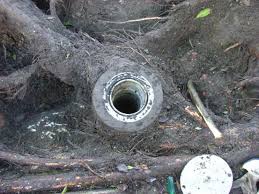
If you think your stormwater or sewer pipes are being crushed by tree roots, it’s important to regularly inspect the pipes and address any issues promptly, because leaks through the cracks will only attract more tree roots.
Also, when planting trees near pipes or underground utilities, proper plant selection can prevent potential problems.
Is pipe relining the only way to Stop Tree Roots in Drains?
No! Pipe relining is definitely NOT the only way to keep tree roots out of drains.
Some other methods include:
- Chemical treatments: Chemical root killers can be put down the drain to kill the roots and prevent future growth.
- Cut the roots: Tree roots can be physically cut out of the pipes using specialized tools like High-Pressure water drain cleaning or an electric eel. Depending on the circumstance both are great ways to cut roots.
- Regular maintenance: Regular cleaning and maintenance of your pipes can help prevent root re-growth by removing debris and preventing blockages.
- Excavation and renewal: Just as it sounds, excavate the existing pipe line and replace it with PVC pipe and fittings. That usually includes excavation by hand or a machine like a back-hoe and depending on where the pipes are located under your lawns and gardens, driveway or swimming pool, reparations to your site can be huge.
- Tree root barrier installation: A barrier, like a root-resistant liner or metal mesh, can be installed around the pipes to prevent roots growing around and into the pipes.
In some cases, a combination of these methods may be used for an effective solution.
When fixing your blocked drains, a “one size fits all” approach is outdated!
The best approach depends on your circumstance and specifically, what is going on with the drains at your place.
If you’re not sure which method is best for your circumstance, ask me. Call 1800 637 6oo

What is Pipe Relining?
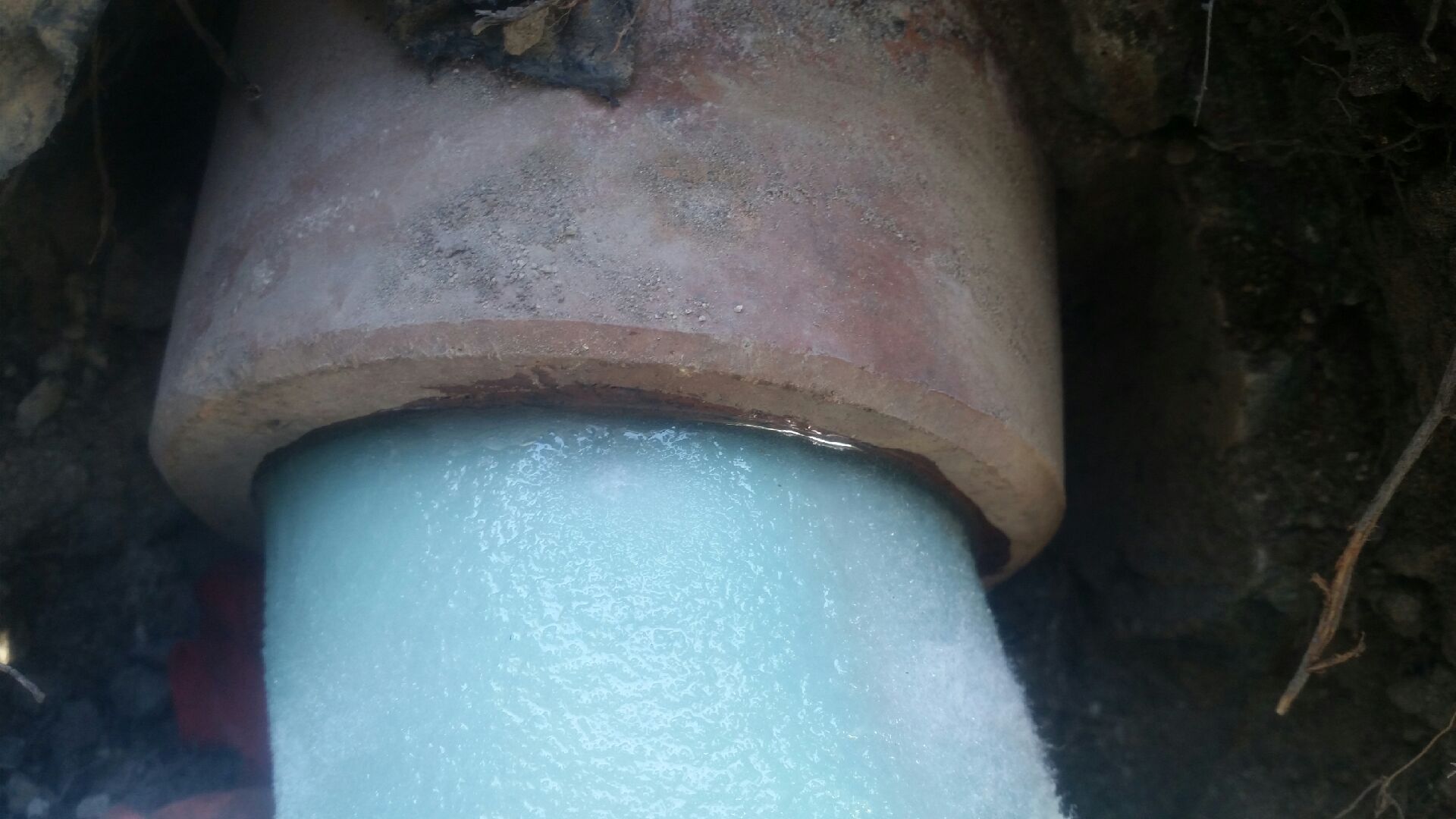
Pipe relining has become a fashionable thing.
There is a place for pipe relining usually when the structure of the pipe has been compromised or broken.
Pipe relining involves inserting a liner, usually fibreglass resin, into the existing drain pipes, creating a new, seamless, and durable pipe within the old one, without the need for excavation.
This process is a little disruptive but, less disruptive, faster, and more cost-effective than traditional pipe replacement. By relining the pipes, you can restore the flow and function of your sewer system, prevent future damage, and extend the life of your pipes.
We have used pipe relining to repair broken and damaged pipes especially in those few situations where excavation is difficult or dangerous, like under a roadway or when the pipes are buried deep in the ground on a tight work site.
Some plumbers will recommend pipe relining for a simple blocked drain caused by tree roots where the roots have just grown through one of the many pipe joints in an earthenware pipeline.
I’ve seen multiple instances where after relining a section of the pipe, tree roots just grow along the pipe line and find another pipe joint to grow through.
At the time of writing this, in Sydney Australia, the cost to reline one metre of 100mm or 4″ pipes is about $1,000.00 per metre.
That means, to reline 30 metres or 100ft of sewer pipe will cost about $30,000. And that’s a lot of money!
You can Click here to see an earlier post about pipe relining costs.
If you’re researching options on How to Stop Tree Roots in Drains or you’re unsure if pipe relining is the answer to your problem, I invite you to call me on 1800 637 600.